A sober companion isn't just someone who tags along on trips. Here's what the work actually looks like and why it changes lives.
I got sober at 21 years old. No fanfare, no glamorous rock bottom story I'll romanticize here. Just a young guy who finally stopped running and started facing himself. Yes, there were consequences. Yes, there were challenges. And no, I'm not gonna sit here and pretend that I was brave enough to do this on my own. There were a lot of external factors that pushed me to have to make that decision. At the time, it felt like my life was ending, but I ultimately realized that this was just the beginning. And while my life certainly isn't perfect, the life I live today is truly beyond my wildest dreams. I am incredibly grateful for it and proud of it, particularly the ability to stay sober one day at a time and help the people I've been able to help along the way.
I've traveled to over 50 countries without a drink, built a life across the world, presently living in Bali, and spent years walking alongside others who are trying to do the same. Along the way, I've done some things that most people only dream about, swimming with humpback whales in the open ocean, diving with sharks around the world, surfing in the Maldives, zip-lining through the jungle canopy in Costa Rica, even piloting helicopters.
All of it clear-headed. All of it real.
So what is a sober companion all about? Why am I trying to speak to you about it? Well, people hear "sober companion" and they usually picture something pretty vague. It's a loose term and it can mean any number of things, particularly in the unstructured environment of sober coaching these days. Is it someone who just hangs out with you while you stay sober? Maybe checks in once in a while?
The reality is a lot more structured, a lot more intentional, and honestly, a lot more powerful than that.
What a Sober Companion Actually Is
I want to be very clear about something first. Sober companion work is not the same as medical detox. If you are coming off alcohol or benzodiazepines, you need medical supervision. That's non-negotiable. Detox from those substances can be life-threatening, and no coaching relationship replaces that level of clinical care. My work begins after that stage, when someone is medically stable and ready to actually build a life in sobriety.
A qualified sober companion brings real clinical structure to the experience. I hold a Master's in Addiction Counseling from the Hazelden Betty Ford Graduate School of Addiction Studies and an MBA from Pepperdine University. That's not me listing credentials to impress you. It means I come into every engagement with a treatment framework, structured goals, active clinical coaching skills, and a genuine understanding of addiction at a behavioral and psychological level. There's a significant difference between someone who went through their own recovery and gets paid to travel with clients, versus someone who can assess where you are, identify patterns, build a real plan, and hold space for the harder conversations that need to happen.
The unqualified version of this work exists. People charge real money to essentially be a sober buddy on a nice trip. That's not what I do. And if you're investing in this kind of support, you deserve to know the difference before you write a check.
What the Work Actually Looks Like
The format varies depending on what someone needs. On one end, there's remote sober coaching, working together through structured sessions without the need to be physically present. On the other end, there are fully immersive 24-hour therapeutic experiences where I'm traveling with you, actively engaged throughout the day, and available for the moments that don't happen on a schedule.
In between, there's a lot of creative space. Small group sober retreats. One-on-one adventure itineraries. Surf trips in the Maldives. Zip-lining in Costa Rica. Freediving and shark encounters. I've done over 350 scuba dives and I'm an AIDA freediver. The ocean is one of the most powerful environments I know for stripping away the noise and getting someone face to face with themselves.
That's not an accident. The nature-based experiences I build into this work are intentional. When you're 30 feet underwater with a tiger shark circling nearby, your ego gets very quiet very quickly. When you're floating in the open Pacific as a humpback whale moves beneath you, something shifts. You realize how small your fear actually is compared to the size of the world. You realize your survival instincts are intact. You realize you're capable of things you told yourself you weren't.
My buddy calls it the groan zone. It's that space right at the edge of your comfort zone, not reckless, not overwhelming, but real. Enough challenge to wake something up in you. Enough support that you don't white-knuckle through it alone.
The Groan Zone: Where Recovery Becomes Identity
This is the part that matters most to me. Sobriety isn't just about stopping something. That's the beginning, not the destination. The deeper work is about figuring out who you actually are when you're not numbing, not performing, not hiding. That's the work I care about.
I rebuilt my entire life sober. I left what was familiar, moved to Bali, and built something I actually wanted. That didn't happen because I read the right books or went to enough meetings (though both have their place). It happened because I kept putting myself in situations that required me to show up as the person I was becoming, not the one I'd been.
Sober travel is one of the most reliable paths I know toward that kind of becoming. You can explore more about the philosophy behind it over at Nomadic Addictt, where I've built a whole community around the idea that sobriety is freedom, not limitation.
The cost of sober companion work reflects the level of engagement. Remote coaching is the most accessible entry point. High-end 24-hour immersive travel experiences come with costs that reflect the time, planning, and clinical investment involved. Both ends of the spectrum have helped people. The right fit depends on where you are and what you're ready for. You can learn more about my full range of work at zacspowart.com.
Who This Is For
Honestly? It's for anyone who is medically stable in their sobriety and ready to go deeper than just staying sober. Maybe you've got some time under your belt but feel stuck. Maybe you're newly out of treatment and terrified of life on the outside. Maybe you've tried the standard approaches and something is still missing. Maybe you just want to experience what a full, adventurous, truly alive life looks like without substances.
You don't have to have your life together to start. You just have to be willing. If relationships and self-acceptance are part of what you're working through, my book Love Unlocked goes deeper into that side of the work. You can explore more at loveunlocked.com.
So here's the question I want to leave you with: if the version of yourself you most want to become already existed, what would that person be willing to try that you haven't been willing to try yet?
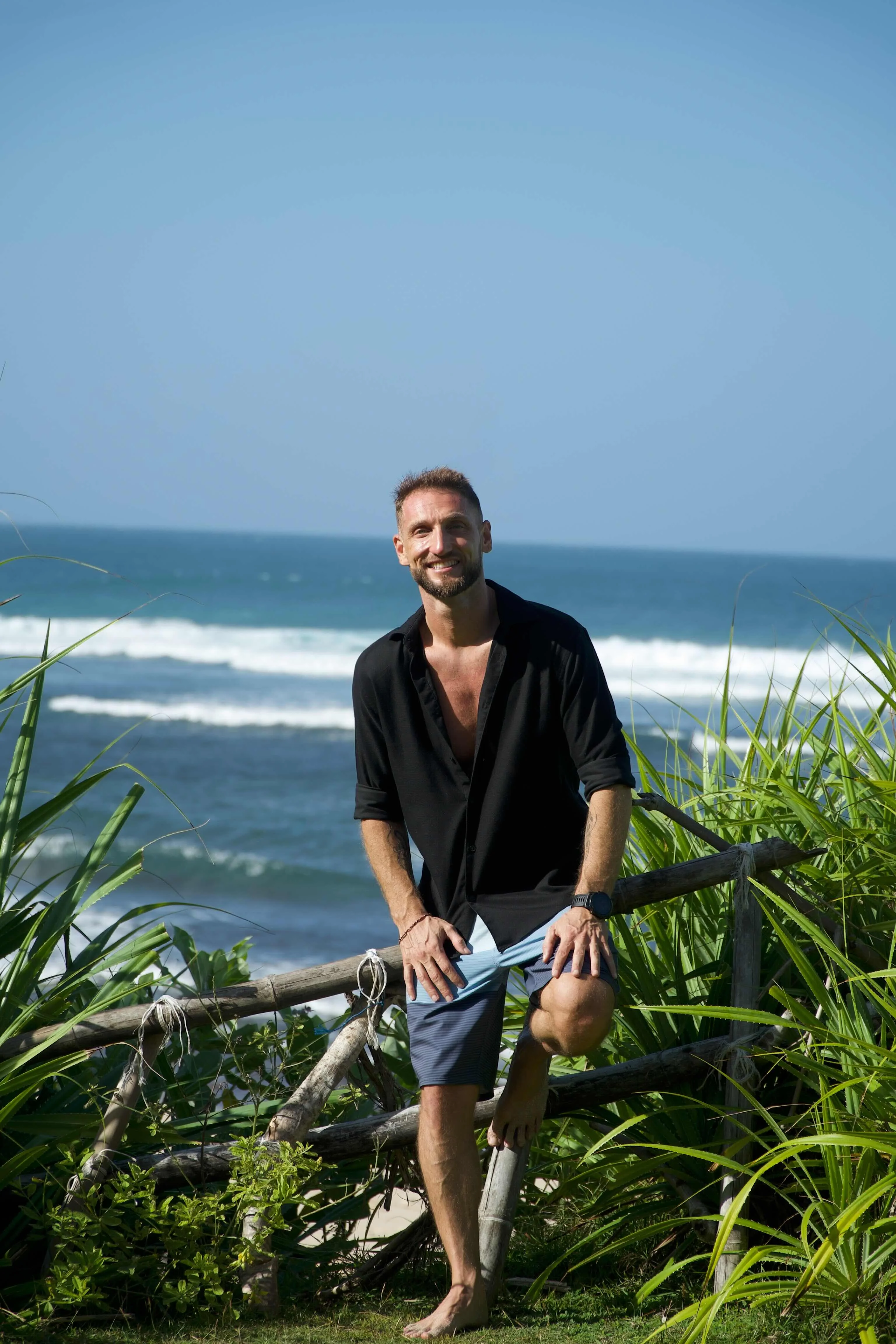
Interested in 1:1 sober coaching, sober companionship, or custom tailored sober retreats?
Whether you are navigating early sobriety, planning your first sober trip, or looking for someone to walk alongside you, I am here. Learn more at Nomadic Addictt or start the conversation.