We chase the body we think we should have. But what if the real work is learning to listen to the one we already do?
In recovery, we talk a lot about what we put into our bodies. The drinks we stopped pouring, the substances we walked away from. But we don't talk nearly enough about the relationship we have with the body itself.

I've been on every end of this spectrum. Overweight and malnourished from years of drinking on an empty stomach, not caring what I ate or whether I ate at all. Then the pendulum swung the other way. Triathlons. Marathons. Bench pressing so much at 16 that I set the record at my local gym. I had stretch marks on my arms from how fast the muscle grew.
From the outside, I looked like the picture of health.
From the inside, I was probably destroying myself in a different way.
When "Healthy" Becomes Its Own Obsession
I have a close friend who lost her period at 17. The clinical term is amenorrhea. She was deep into weightlifting competitions, training relentlessly, keeping her body fat dangerously low. Her body simply shut down a function it couldn't sustain.
She didn't get her period back until she was 30.
What changed? She stopped overtraining. She allowed her body to soften, to gain weight, to rest. The thing she feared most, becoming what she called "overweight," was actually her body celebrating. It was returning to a de-stressed, healthy state. She's now celebrated five periods in a row. Five months of her body saying thank you.
I share her story because it's not uncommon. I have friends who are die-hard fitness people, some of whom were my own coaches. I'm not picking on anyone. The fitness community does incredible work. But there's a line between discipline and destruction, and it's thinner than most of us want to admit.
The Pendulum I Know Too Well
Here's the honest truth about my own body. After I got sober, I threw myself into fitness the same way I threw myself into drinking: all the way. I over-trained. I probably didn't eat enough fats for my ligaments and joints. I looked great. I felt invincible.
Now at 40, I've already had shoulder surgery and deal with other issues that are almost certainly connected to years of pushing too hard without truly taking care of what was underneath the surface. The bench press record at 16, was that worth the shoulder I had to rebuild? I genuinely don't know.
The lesson took a long time to land: looking healthy and being healthy aren't the same thing.
To Thine Own Self Be True
Shakespeare wrote that line centuries ago, and it still cuts right to the center of this conversation. Who are you building your body for? Whose standard are you chasing?
Right now, my body prefers to be thinner. People tell me all the time, "You need to put on more muscle," or "You look skinny, you need to eat more." The truth is, I imagine most of this comes from a space of love and care, and potentially even kindness in their eyes. But the reality is, I've made peace with where I am. Being leaner actually makes me a better freediver and a better runner. Those are the things that light me up. So who exactly would I be adding mass for?
That question deserves an honest answer from each of us. Are you training for you, or for the mirror, or for someone else's idea of what you should look like?
In Love Unlocked, I write about how self-acceptance is the root of self-love. You can't love something you're constantly trying to fix. And you can't accept yourself while measuring your worth by a number on a scale or a circumference on a tape measure.
Discipline Is Love
Will Smith said something that stuck with me: self-love is rooted in discipline. Being disciplined demonstrates love for yourself.
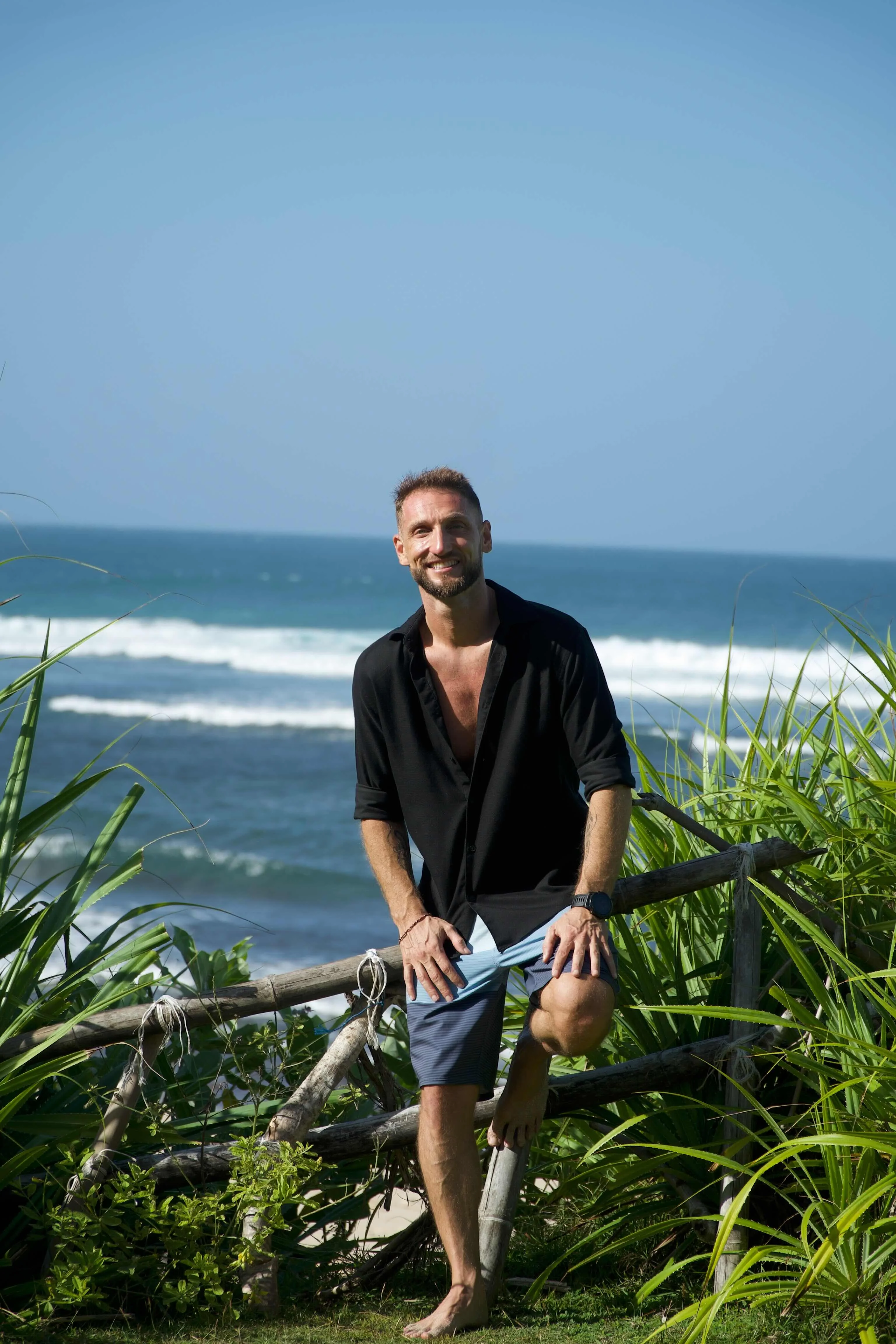
I think about that a lot, especially right now. I'm currently in Mexico, completely out of my gym routine. No squat rack. No bench. But every morning I meditate. I do my push-ups. I swim in the ocean. I'm not adding mass to my biceps, but I'm adding something that matters more: a spiritual recharge that keeps me grounded and connected to who I actually am.
That's discipline. Not punishing my body into a shape. Showing up for it consistently in a way that honors what it actually needs.
The Root Question
What makes you happy? Not what looks good on Instagram. Not what your trainer says you should weigh. Not what your ex preferred or what the magazine cover promised.
What makes YOU happy?
That's mental wellness. Right there. Listening to yourself. Having an authentic connection with yourself that's louder than the noise around you.
For some people, that means lifting heavy five days a week. Beautiful. For others, it means morning ocean swims and meditation on the beach. For my friend, it meant letting go of the body she thought she needed and welcoming the one that was trying to keep her alive.
Recovery gives us this gift if we let it. We already did the hardest thing: we stopped numbing ourselves. The next step is to stop punishing ourselves, too.
Your body carried you through the worst of it. It survived everything you put it through. Maybe it's time to stop asking it to be something else and start asking it what it needs.
To thine own self be true. That includes the body you're living in.
You can explore more about conscious living and self-acceptance at zacspowart.com, or read more sober travel stories at Nomadic Addictt.
Interested in 1:1 clinical coaching, sober companionship, or custom tailored sober retreats?
Whether you're navigating body image, recovery, or just trying to figure out what balance looks like for you, I'm here. Start the conversation or learn more at zacspowart.com.